Darknet Markets 2026:
The dark web is part of the deep web but is built on darknets: overlay networks that sit on the internet but which can't be accessed without special tools or software like Tor. Tor is an anonymizing software tool that stands for The Onion Router — you can use the Tor network via Tor Browser.
| Darknet Market | Established | Total Listings | Link |
|---|---|---|---|
| TorZon Market | 2022 | 140+ | Onion Link |
| Nexus Market | 2024 | 600+ | Onion Link |
| Abacus Market | 2022 | 100+ | Onion Link |
| Ares | 2026 | 100+ | Onion Link |
| Cocorico | 2023 | 110+ | Onion Link |
Updated 2026-10-26
How darknets ensure quality and reliable access to products
The architecture of darknet markets inherently promotes quality and reliability for the consumer. This is primarily achieved through a system built on transparent feedback and reputation. Every vendor accumulates a detailed history of ratings and reviews from previous transactions, which is permanently linked to their shop. This creates a powerful self-regulating environment where consistent product quality and professional service are rewarded with more business, while poor performance leads to a damaged reputation and loss of customers.
The product listings themselves are designed for clarity. Vendors provide specific details including chemical purity percentages, precise weights, and high-resolution photographs. This level of detailed product information stands in stark contrast to traditional street purchases, eliminating guesswork for the buyer. Furthermore, the widespread use of escrow services secures the transaction. Funds are held by the market until the buyer confirms satisfactory receipt of the order, which protects consumers and incentivizes vendors to fulfill their commitments accurately.
This ecosystem results in a more dependable supply chain. Buyers are no longer limited to local availability or the inconsistent quality of a single supplier. Markets offer a wider selection of products sourced directly from producers or large-scale distributors, facilitating a more efficient producer-to-consumer model. The combination of competitive pricing, detailed listings, and a robust feedback system allows informed buyers to reliably identify and purchase from high-quality vendors, ensuring a consistent and predictable outcome.
How Escrow Makes Buying on the Darknet Safer
The escrow system is a fundamental mechanism for establishing transactional security and building trust between anonymous parties. It functions by holding the buyer's cryptocurrency in a secure, third-party account controlled by the darknet market itself. The funds are only released to the vendor after the buyer confirms satisfactory receipt of the product. This process directly addresses the primary risk in remote, illicit transactions: financial loss from non-delivery.
For the buyer, this means payment is not finalized until the order arrives, which incentivizes vendors to maintain high standards in shipping and product quality. A vendor who fails to deliver does not get paid, and their reputation on the platform is negatively affected. This creates a self-regulating environment where reliable vendors thrive. The escrow model transforms a potentially risky financial exchange into a structured, predictable process. It provides a clear dispute resolution path; if a package does not arrive or the product is not as advertised, the buyer can open a dispute, and market moderators can review the evidence to decide whether to refund the escrowed funds.
This system effectively replicates the consumer protections found in conventional e-commerce, applying them to an anonymous context. It shifts the power dynamic, placing security assurances on par with the convenience of access. The result is a more stable and predictable procurement process, where financial risk is managed not by personal trust, but by a neutral, automated protocol. This reliability is a cornerstone for repeat business and market stability, encouraging a professional approach from vendors who wish to build a long-term customer base.
Clear Listings for Safer Purchases
The product listing is the central informational unit of a darknet market, functioning as a standardized quality assurance document. Unlike opaque street transactions, these listings provide detailed specifications, including chemical name, net weight, and a stated purity percentage. This quantitative data allows for informed consumer choice and dose calculation, directly addressing a primary safety concern in unregulated markets.
Vendors substantiate these claims by including lab analysis results from third-party testing services. These certificates, often posted as images, verify the substance's composition and the absence of dangerous adulterants. The consistent presentation of this data creates a reputational feedback loop: vendors with accurate listings build positive reviews, which in turn drives sales and incentivizes further transparency. This system elevates the transaction from a simple exchange to a data-driven procurement process.
The structure of information typically follows a clear hierarchy:
- Substance identification and declared purity
- Photographic evidence of the product
- Uploaded documentation of laboratory tests
- Shipping options and pricing tiers
- Vendor's terms of service and refund policy
This comprehensive approach mitigates the uncertainty inherent in offline sourcing. A buyer can compare multiple listings based on empirical metrics rather than hearsay, fostering an environment where product consistency becomes a marketable and demanded feature. The listing acts as a binding description, with the escrow system ensuring vendor accountability to its claims upon delivery.

More Variety and Better Quality on the Darknet
The primary advantage of a darknet market over traditional street procurement is the scale and diversity of its inventory. A physical dealer is limited by their personal supply chain, typically offering only a few types of substances. In contrast, a darknet platform aggregates listings from hundreds of vendors globally, creating a de facto digital supermarket. This allows a consumer to browse and compare an extensive range of products, including:
- Specific pharmaceutical compounds with precise dosage information.
- Research chemicals and novel psychoactive substances rarely available locally.
- Multiple strains of cannabis or cultivars of psychedelic mushrooms, each with detailed lineage and potency data.
This breadth directly impacts the potential for finding quality. Competition between vendors on the same platform incentivizes them to provide superior product purity and accurate labeling to maintain positive feedback ratings. A buyer is no longer constrained by a single local source of unknown reliability; they can select a vendor based on a transparent history of customer reviews and detailed product analytics. The market's feedback system acts as a continuous quality audit, where consistently poor or misrepresented products result in vendor reputation decline and loss of sales. Consequently, the darknet model shifts the dynamic from a seller's market, with limited choice and information asymmetry, to a buyer's market characterized by choice, transparency, and vendor accountability for the product's stated specifications.
Better Drugs Direct From The Source
The structural shift from traditional multi-layered distribution to a direct producer-to-consumer model is a fundamental advantage of modern darknet markets. This streamlined supply chain eliminates numerous intermediaries, each of whom historically added cost, risk of adulteration, and operational uncertainty. The result is a more efficient transaction with direct benefits for the consumer.
Buyers engage directly with the source, which often means purchasing from the laboratory or grow operation itself. This direct line of communication allows for precise inquiries about synthesis methods, grow conditions, or batch-specific purity data, information that is typically lost in street-level transactions. The producer has a vested interest in maintaining a positive reputation on the platform, incentivizing honest disclosure and consistent quality. This creates a feedback loop where high-quality, reliably supplied products garner positive reviews and sustained demand.
The logistical efficiency is significant. The process typically follows a clear sequence:
- A producer lists a product with detailed specifications.
- A buyer selects the item, and payment is secured in escrow.
- The producer ships the product directly to the consumer.
- Upon confirmed receipt and verification of quality, the escrow releases funds to the producer.
This system reduces the time from production to consumption, minimizes the risk of product degradation through unnecessary handling, and ensures the financial security of both parties. The elimination of territorial street monopolies and the reduction in physical confrontations over territory or debts further stabilize the supply. Consequently, the darknet model provides a consistent and dependable supply of products, where reliability and transparent product information become the primary market drivers rather than coercion or geographic happenstance.
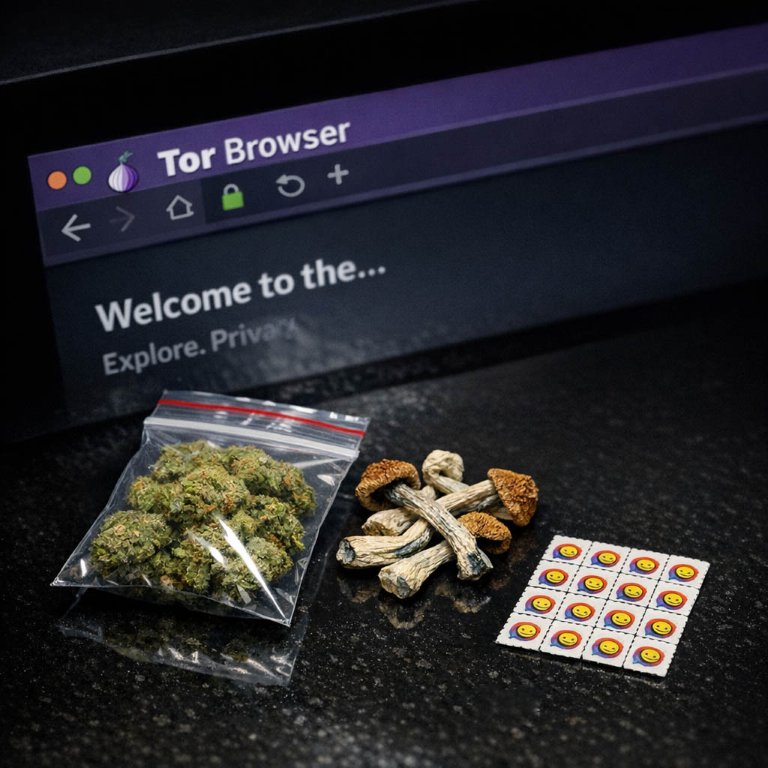
How Darknet Markets Build a Steady Supply
The integration of specific operational features within darknet markets directly translates into a supply chain that is both consistent and dependable for the end user. This reliability stems from the structured environment these platforms create, which mirrors legitimate e-commerce. The escrow system is foundational, as it secures the transaction and aligns vendor incentives with customer satisfaction; a vendor only receives payment after the buyer confirms receipt, which discourages scams and promotes honest business practices.
Furthermore, the detailed product listings with purity information and batch specifics reduce uncertainty. A buyer can make informed choices based on empirical data rather than guesswork, leading to predictable and repeatable outcomes. This level of detail, combined with vendor rating systems and review sections, creates a self-regulating ecosystem where quality and reliability are rewarded with more business, and poor performance is quickly marginalized.
The wider selection and the efficiency of direct producer-to-consumer models mitigate the traditional volatility of street markets. Geographic barriers are reduced, and supply is not dependent on a single local distributor. If one vendor is out of stock, another can fulfill the order, ensuring availability. This aggregation of numerous suppliers under one searchable platform buffers against individual supply shocks, creating a resilient network. Consequently, the user experiences a market that is less prone to sudden shortages or drastic fluctuations in quality, establishing a new standard for predictable access.