Darknet Markets 2026:
The dark web is part of the deep web but is built on darknets: overlay networks that sit on the internet but which can't be accessed without special tools or software like Tor. Tor is an anonymizing software tool that stands for The Onion Router — you can use the Tor network via Tor Browser.
| Darknet Market | Established | Total Listings | Link |
|---|---|---|---|
| TorZon Market | 2022 | 140+ | Onion Link |
| Nexus Market | 2024 | 600+ | Onion Link |
| Abacus Market | 2022 | 100+ | Onion Link |
| Ares | 2026 | 100+ | Onion Link |
| Cocorico | 2023 | 110+ | Onion Link |
Updated 2026-10-26
How Darknet Markets Work with Privacy and Trust
Darknet marketplaces operate on encrypted networks like Tor, which provide the necessary privacy for these economic platforms to function. Access requires a specialized browser that routes traffic through multiple layers of encryption, making user activity difficult to trace. This foundational technology creates a separate, secure space for commerce.
The structure of a marketplace is similar to conventional e-commerce sites. It features product listings, shopping carts, and vendor storefronts. The critical difference is the end-to-end encryption applied to all communications and transactions. This ensures that only the intended buyer and seller can read order details, protecting both parties from surveillance.
Marketplaces rely on a combination of technological and social systems to ensure security and reliability:
- All financial transactions are conducted using cryptocurrencies like Bitcoin or Monero, which provide pseudonymous payment options.
- Vendors establish their reputation through a feedback and rating system, allowing buyers to make informed decisions based on community trust.
- Disputes between buyers and sellers are managed by forum moderators who help enforce marketplace rules and facilitate fair outcomes.
This ecosystem demonstrates a sophisticated adaptation of standard online retail principles, rebuilt with privacy and user autonomy as its core tenets. The resilience of a marketplace directly correlates with its ability to maintain this secure and trustworthy environment for its user base.
Secure Payments with Crypto and Escrow on the Darknet
The operational security of a darknet marketplace is fundamentally dependent on its financial architecture. This system is built on two interdependent pillars: cryptocurrency and escrow services. Cryptocurrencies like Monero and Bitcoin provide the necessary transactional anonymity by severing the direct link between a user's identity and their financial activity on the clearnet. Payments are recorded on a public ledger, but the parties involved are represented by pseudonymous addresses, creating a layer of financial privacy that traditional banking cannot offer.
However, anonymity alone does not facilitate trade between mutually distrusting parties. This is where the escrow system becomes critical. When a buyer places an order, their cryptocurrency is held in a secure, marketplace-controlled walletit is not released directly to the vendor. This mechanism protects the buyer from fraudulent vendors who might not ship the product. The funds are only disbursed to the vendor after the buyer confirms successful receipt and quality of the goods, a process often finalized by releasing the funds from escrow or finalizing the order early. This creates a powerful incentive for vendor honesty and product quality.
The effectiveness of this model is reinforced by the marketplace's own governance. Disputes between buyers and vendors over non-delivery or product mismatch are typically adjudicated by market moderators. These moderators review communication and evidence, such as shipping proof, before deciding to release escrowed funds to either party. This structured resolution process, backed by the financial leverage of the held escrow, reduces the risk for both participants and establishes a self-regulating economic environment where trust is systematically engineered rather than assumed.
How Reviews and Ratings Make Darnet Markets Work
Trust on a darknet marketplace is not assumed but constructed through transparent, crowd-sourced verification. The system relies on direct feedback from completed transactions, creating a self-regulating environment. User reviews and vendor ratings form the core of this mechanism, replacing the need for traditional institutional guarantees with a decentralized reputation economy.
A vendor's rating, typically displayed as a percentage or score, aggregates all historical feedback. A high score, sustained over hundreds of sales, signals consistency and reliability. Buyers prioritize vendors with established histories, as this reduces the risk of receiving low-quality products or falling victim to an exit scam. The review text provides specific details: product purity, shipping speed, stealth packaging quality, and communication responsiveness. This granular data allows new buyers to make informed decisions based on peer experiences rather than vendor promises.
The escrow system integrates directly with this feedback loop. Funds are only released to the vendor after the buyer confirms satisfactory receipt. This process incentivizes honest conduct, as a vendor's ability to future income depends on accumulating positive reviews. Disputes are often resolved by moderators who reference this documented transaction history. Therefore, a robust rating acts as a vendor's primary financial asset, encouraging professional behavior and high service standards to maintain it. The collective result is a market where trust is quantifiable, directly linking a seller's ethical business practices to their commercial success.
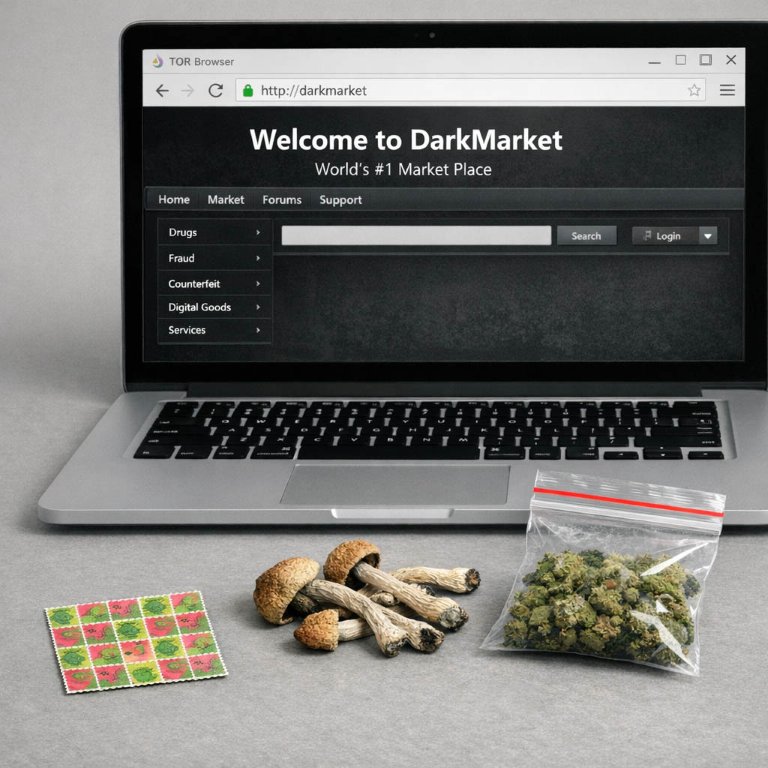
How Tor and PGP Make Darnet Drug Trade Safe and Private
The operational security of a darknet marketplace relies on two foundational technologies: Tor for network anonymity and PGP for communication security. These tools work in tandem to create a private environment for transactions.
Tor, or The Onion Router, functions by encrypting and routing a user's internet traffic through a global network of volunteer-run servers. This process, which layers encryption like an onion, obscures the user's original IP address and the destination of their traffic. For marketplace access, this means that both the buyer's location and the marketplace's server location are concealed from network observers, making direct tracing of the connection extremely difficult.
While Tor protects the pathway, PGP (Pretty Good Privacy) protects the content of communications. PGP is an encryption standard used for:
- Verifying vendor identity through signed public keys, which builds trust and prevents impersonation.
- Encrypting sensitive information, such as delivery addresses, before it is sent to a vendor.
- Securing private messages between users and market moderators during dispute resolution.
This separation of duties is critical. Tor anonymizes where the communication is going, while PGP encrypts what is being communicated. A marketplace user employs PGP to encrypt their home address with the vendor's public key; only the vendor, with their private key, can decrypt it. This entire encrypted exchange is then routed through the Tor network, shielding the metadata of the transaction. The sustained use of these technologies by both users and vendors is a primary factor in the longevity and perceived safety of established darknet platforms, as it minimizes operational risks and fosters a secure trading environment.
How Secure Darknets Build Trust and Last for Years
The longevity of a darknet marketplace is not random; it is a direct result of its operational security and business practices. Markets that endure for years typically implement robust security protocols at their core. This includes consistent use of PGP encryption for all communications, a secure escrow system managed by the market itself to protect both buyers and sellers, and a clear, transparent system for resolving disputes through dedicated moderators.
Financial stability is another critical factor. Successful markets process withdrawals for vendors reliably and maintain a stable cryptocurrency wallet infrastructure. They avoid the temptation of exit scams, where administrators shut down the site and steal the funds held in escrow. This builds immense trust within the community, as evidenced by positive user reviews and high vendor ratings over long periods.
Conversely, markets that disappear quickly often fail in these areas. Common reasons for a rapid shutdown include:
- Poor operational security leading to infiltration or technical failure.
- Inconsistent or unfair moderation that drives away the user base.
- Financial mismanagement, culminating in an exit scam when the amount of held cryptocurrency becomes substantial.
Ultimately, a market's lifespan is a function of its perceived reliability. Users and vendors migrate to platforms that demonstrate a consistent, secure, and professional environment, abandoning those that show instability or dishonesty.

How Buyers Shape Darknet Market Listings
The structure of a darknet marketplace is a direct economic reflection of user demand. Listings and categories are not static; they evolve dynamically based on consumer preferences, regional availability, and cultural trends. A marketplace with a high demand for cannabis will feature extensive subcategories for different strains, edibles, and concentrates, while one catering to a demand for prescription medications will organize itself around pharmaceutical classes like benzodiazepines or stimulants.
Vendors actively respond to this demand by tailoring their offerings. The emergence of new synthetic compounds or the popularity of a specific product in a geographic region will quickly result in new listings. This creates a feedback loop where popular items gain more visibility through sales volume and positive reviews, further amplifying their demand. Categories themselves are shaped by this process, often splitting or merging to better serve the buying patterns of the user base. For instance, a general "Drugs" category may branch into:
- Psychedelics and Entheogens
- Stimulants
- Benzodiazepines
- Opioids
This categorization reduces search time for buyers and allows vendors to target a specific audience. The demand also dictates the variety within a listing, with vendors offering different quantities, purities, and shipping options to meet the needs of both retail and bulk buyers. Ultimately, the inventory you see is a real-time, crowd-sourced catalog of what the community is seeking, making each marketplace a unique ecosystem shaped by its users' collective consumption.
How Moderators Keep Deals Fair on the Darknet
Moderators are the neutral third-party arbiters essential for maintaining transactional integrity on a darknet marketplace. Their primary function is to intervene in disputes between buyers and vendors, typically when a transaction does not proceed as expected. A common scenario involves a buyer claiming non-receipt of goods or receiving a product that does not match the listing description, while the vendor maintains that they fulfilled their part of the agreement.
The process is methodical. When a dispute is opened, both parties are required to submit evidence to a dedicated dispute resolution panel. This evidence can include:
- Encrypted message logs from the transaction
- Photographic proof of the packaged product
- Tracking information, where applicable
- Clear images of the received product versus what was advertised
Moderators analyze this evidence against the marketplace's publicly posted rules. Their analysis focuses on the vendor's shipping policy, the accuracy of the product listing, and the verifiable actions of both parties. The use of escrow is critical here, as it prevents the vendor from accessing the cryptocurrency until the moderator reaches a verdict, which incentivizes cooperation.
A successful resolution directly reinforces marketplace trust and stability. By consistently enforcing rules and making fair judgments, moderators reduce the incentive for vendors to engage in selective scamming and assure buyers that their funds are protected. This system of accountability is a key differentiator between established, long-running darknets and those that fail quickly due to rampant fraud. The moderator's role transforms a potentially risky anonymous transaction into a structured commercial interaction with defined recourse, directly supporting the marketplace's longevity and reputation.