Darknet Markets 2026:
The dark web is part of the deep web but is built on darknets: overlay networks that sit on the internet but which can't be accessed without special tools or software like Tor. Tor is an anonymizing software tool that stands for The Onion Router — you can use the Tor network via Tor Browser.
| Darknet Market | Established | Total Listings | Link |
|---|---|---|---|
| TorZon Market | 2022 | 140+ | Onion Link |
| Nexus Market | 2024 | 600+ | Onion Link |
| Abacus Market | 2022 | 100+ | Onion Link |
| Ares | 2026 | 100+ | Onion Link |
| Cocorico | 2023 | 110+ | Onion Link |
Updated 2026-09-12
How the Darknet Enables Global Trade and Better Products
The operational model of darknet markets in 2025 fundamentally enables a borderless commercial environment. Geographic restrictions that traditionally limit access to certain goods are rendered obsolete by decentralized web protocols and cryptocurrency transactions. A buyer in one continent can efficiently conduct a transaction with a vendor on another, with the entire process typically completed within a week. This global reach is not merely about availability; it introduces a competitive pressure that elevates market standards.
Vendors are compelled to improve product quality and customer service to maintain positive feedback on an international scale. The logistical frameworks supporting these markets have matured, with many vendors employing professional stealth shipping methods and providing transparent tracking. This evolution mirrors the efficiency expectations of conventional e-commerce, applying them within a privacy-centric framework. The result is a trading system where reliability and discretion are paramount, and access is determined by network connectivity rather than physical location.
The efficiency of trade is further amplified by the underlying financial technology. Cryptocurrencies like Monero (XMR) are now standard, providing fast settlement and enhanced transactional privacy by default. This reduces the delays and complexities associated with earlier Bitcoin-dominated markets. The ecosystem supports a diverse range of goods, with vendor specialization leading to higher purity and consistency in products. The mechanism is straightforward: a broader, more competitive global marketplace directly incentivizes better service, safer products, and more reliable trade for all participating parties.
How Better Coin Mixing Makes Darknet Trade Safer
The evolution of coin mixing protocols represents a fundamental improvement for privacy on darknet markets. Earlier implementations often relied on centralized mixers, which presented a single point of failure for forensic analysis. The current standard integrates non-custodial, trustless mixing directly into the market's wallet infrastructure. This means funds are obfuscated through a decentralized pool of liquidity before a vendor receives payment, without the mixer ever holding the user's full balance.
This technical shift provides several concrete advantages. Transaction graphs are intentionally fractured, making blockchain analysis significantly more resource-intensive and less reliable. The privacy is no longer an optional add-on but a default, baked-in feature of the transaction process. Users benefit from:
- Automated, multi-hop transactions that mimic ordinary DeFi swaps.
- Integrated use of privacy-focused cryptocurrencies with inherent mixing properties.
- A reduced time-window for analysis between deposit and final settlement.
The result is a stronger guarantee of financial anonymity, which directly supports safer commerce. Vendors can operate with reduced risk of fund tracing, and buyers can participate with greater confidence. This technical backbone is crucial for maintaining the ecosystem's integrity, as it shifts the balance of power away from surveillance and toward individual privacy.
How Decentralized Escrow Makes Darknet Trade Safer
The evolution of escrow services is a primary driver for the efficiency and security of darknet commerce in 2025. Traditional centralized escrow, managed by market administrators, presented a single point of failure, vulnerable to exit scams or seizure. Modern systems have transitioned to decentralized, multi-signature (multisig) escrow protocols. In this model, funds are held in a smart contract or a wallet requiring multiple cryptographic signatures for release, typically from the buyer, the vendor, and sometimes a third-party arbitrator.
This technical shift fundamentally alters the trust model. No single entity has unilateral control over the funds, eliminating the risk of a market operator absconding with user capital. The process is automated and transparent on the blockchain, with release conditions programmed into the contract. A transaction proceeds efficiently: funds are locked, the vendor ships the product, and upon confirmation of delivery, the buyer releases payment. Disputes are resolved through a decentralized arbitration system where trusted, reputation-bound community members review evidence and cast a binding vote to release funds to the appropriate party.
The result is a more resilient and trustworthy trading environment. Participants engage with greater confidence, knowing the financial mechanics are secured by cryptography rather than the integrity of a hidden administrator. This reliability reduces friction, encourages larger transactions, and supports the overall growth of global trade on these platforms by providing a neutral, automated framework for enforcing agreements.
More Choices and Higher Quality on the Darknet
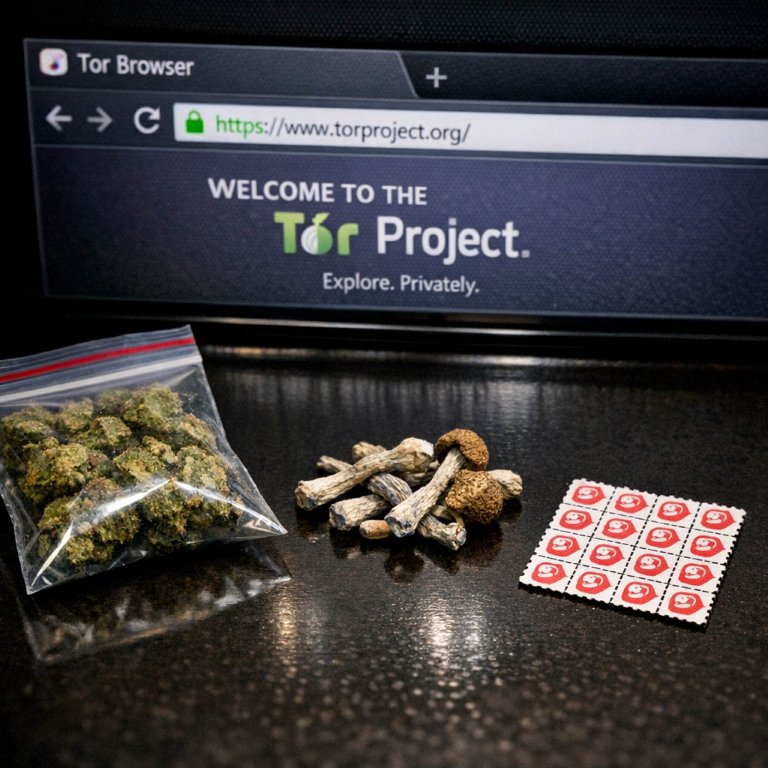
The evolution of darknet markets has directly addressed historical limitations in product variety and consistency. In 2025, these platforms function as globalized digital bazaars, where vendor specialization and international supply chains have dramatically expanded available listings. A buyer is no longer restricted to common substances but can access a vast array of pharmaceuticals, research chemicals, and botanicals from different regions, each with detailed specifications on purity, origin, and expected effects.
This expansion is supported by a competitive vendor ecosystem that incentivizes quality control. Vendors build their reputation on consistent product standards, leading to several key developments:
- Standardized testing results from third-party services are commonly published alongside listings.
- Detailed product descriptions include precise dosage information and chemical composition data.
- Selective breeding and advanced synthesis techniques have elevated the potency and reliability of many substances.
The mechanism of escrow services and community feedback enforces this quality standard. A product that does not match its description results in disputed transactions and public negative reviews, which directly impact a vendor's sales. This creates a self-regulating environment where high-quality vendors thrive, while those offering inferior products are quickly marginalized. The result is a marketplace where consumers can make informed purchases with a high degree of confidence in the product's authenticity and strength, reducing risks associated with adulterated or misrepresented substances.
Trusted Vendors and Reliable Scores on the Darknet
The evolution of vendor rating systems on darknet markets by 2025 has fundamentally transformed buyer confidence and market efficiency. These systems now function as sophisticated reputation engines, aggregating data from every transaction to generate a comprehensive reliability score. This score is not a simple average; it is a weighted algorithm analyzing order fulfillment speed, communication quality, stealth packaging effectiveness, and product purity as verified by community-funded laboratory tests.
Transparency in feedback is paramount. Modern platforms mandate that all reviews are tied to a verified purchase, eliminating fabricated testimonials. The interface presents data clearly:
- Detailed breakdowns of score components
- Historical performance charts showing consistency over time
- Transparent resolution logs for any past disputes
The result is a self-regulating ecosystem where high-performing vendors are easily identifiable and gain more business, while unreliable actors are quickly marginalized. This mechanism ensures that participating in fair trade and maintaining high product standards is the most profitable strategy for sellers. For buyers, it reduces risk and creates a predictable, professional trading environment where expectations are consistently met, fostering trust and facilitating smoother global transactions.

Easy-to-Use Darknet Markets Boost Safe Trade
The evolution of darknet markets in 2025 is characterized by a significant reduction in technical barriers, primarily through the development of simple and intuitive user interfaces. These platforms have moved beyond the clunky, text-heavy designs of the past, adopting streamlined layouts and clear navigation that resemble mainstream e-commerce sites. This design philosophy directly lowers the entry threshold for new users, allowing them to engage in transactions with minimal prior technical knowledge.
The interface improvements are not merely cosmetic. They integrate critical functions seamlessly:
- Product search and filtering operate with the speed and precision of conventional online retailers.
- Vendor storefronts and product listings present information in a standardized, easily scannable format.
- The multi-signature escrow process is guided by clear, step-by-step instructions, reducing user error.
- Encrypted messaging systems and wallet functions are accessible from a unified dashboard.
This focus on usability enhances overall market efficiency and safety. A clear interface minimizes mistakes during the ordering process, which is crucial for transactional accuracy. Furthermore, by making security features like PGP encryption and escrow more approachable, these designs encourage their consistent use, thereby strengthening the privacy and security of all participants. The result is a more robust and accessible ecosystem where the focus shifts from navigating a complex system to conducting efficient and discreet trade.
How Drug Sales on the Darknet Stay Safe and Private
The transaction process on darknet markets in 2025 is built on a foundation of cryptographic security and automated trust. The standard model uses a multisignature escrow system, where funds are held in a wallet requiring two of three keys to release. The buyer and vendor each hold one key, and the market's automated system holds the third. This design removes the need for a trusted human intermediary, as the funds cannot be accessed by any single party without consensus.
Upon order placement, cryptocurrency is sent to the multisignature address. The system only releases payment to the vendor after the buyer confirms receipt of the goods. If a dispute arises, a decentralized arbitration panel, selected from experienced and highly-rated community members, can be invoked to vote on releasing the funds using the market's key. This process is secured by smart contracts on supporting blockchains, making the terms of the transaction transparent and immutable.
End-to-end encryption for all communication is mandatory and automatic. Every message between buyer and vendor, including shipping details, is encrypted on the user's device before being sent to the market's servers, which cannot decrypt it. This peer-to-peer encryption ensures that sensitive data is visible only to the intended parties, significantly reducing the risk of operational security failures.
Additional security layers include:
- Time-locked transactions that automatically refund the buyer if the vendor does not ship within a set period.
- Integrated Tumbler services that obfuscate the transaction trail on the blockchain before funds enter the escrow.
- Two-factor authentication (2FA) enforced for all financial actions and login attempts.
These integrated systems create a transaction environment where financial risk is minimized through automated protocols, and privacy is maintained by default through strong encryption, facilitating safer and more efficient global trade.
How Feedback Makes Darknet Drug Trade Safer
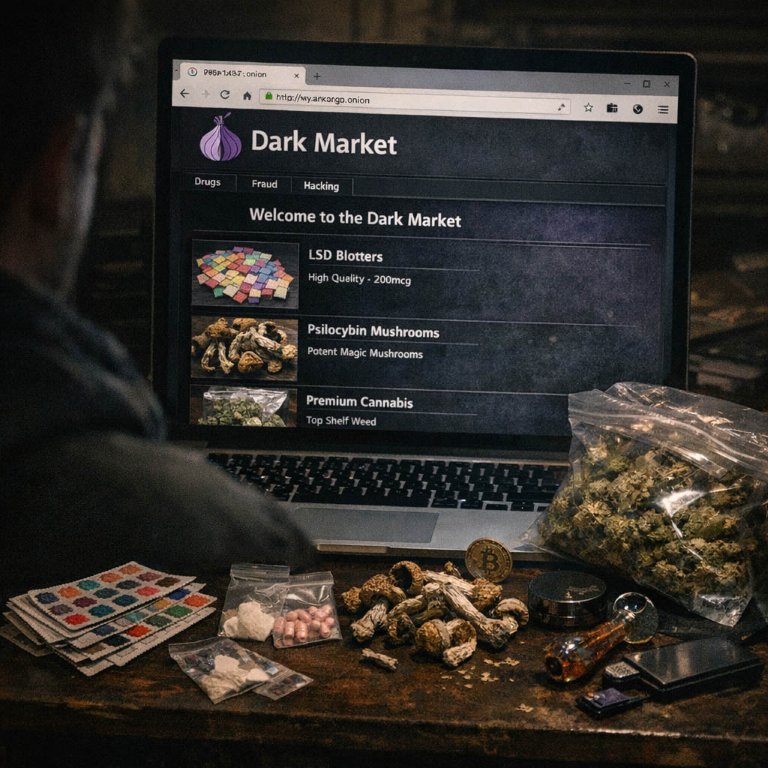
The evolution of community feedback systems on darknet markets has become a primary driver for market safety and vendor accountability. These systems function as a decentralized form of quality control, where buyers provide detailed reviews and ratings after each transaction. The data is aggregated into vendor reliability scores, which are publicly visible and often include metrics for product quality, shipping speed, and communication. This transparent record allows new users to make informed decisions based on the collective experience of thousands of previous transactions, significantly reducing the risk of fraud.
Modern platforms in 2025 have enhanced these mechanisms beyond simple star ratings. Reviews now typically require mandatory fields and often support multimedia proof, such as encrypted image verification of received products. This creates a robust, self-policing environment where consistently high-rated vendors gain more business, while those with poor feedback are quickly marginalized. The system's design incentivizes honest dealing, as a vendor's reputation is their most valuable asset. Furthermore, dedicated forum sections allow for extended discussion and dispute resolution within the community, adding another layer of oversight and collective intelligence that directly contributes to safer and more efficient trade for all participants.
Better Tech Makes Darnet Trade Safer and Smoother
The operational stability of darknet markets in 2025 is a direct result of continuous technical evolution. Platform developers prioritize resilience against downtime and external threats, employing advanced distributed hosting and automated backup systems. This infrastructure ensures that trading activities experience minimal disruption, supporting consistent global access.
Security protocols are regularly updated to address new vulnerabilities. The implementation of post-quantum cryptography in communication channels and transaction signing is becoming standard, future-proofing platforms against advancements in computing. Furthermore, the adoption of more efficient coin mixing techniques integrated directly into market wallets enhances financial privacy without requiring user intervention.
User experience sees constant refinement through iterative design. Interfaces are streamlined based on community feedback, reducing errors and simplifying the process from product selection to finalizing a deal. This focus on usability lowers the barrier to entry for new users while increasing efficiency for experienced traders.
The core software of these markets is often open-source, allowing for independent audits and community-driven improvements. This collaborative development model leads to rapid deployment of patches and new features, such as:
- Enhanced escrow algorithms that release funds based on multi-signature triggers and delivery confirmation.
- Decentralized feedback storage on immutable ledgers to prevent vendor rating manipulation.
- Advanced filtering and search functions that help buyers quickly locate specific products and verify vendor reliability.
These ongoing technical improvements create a more robust and user-centric ecosystem. The result is a trading environment where privacy, security, and reliability are systematically enhanced, facilitating safer and more efficient commerce for all participants.